How to Organize a Pantry for Maximum Function (According to a Professional Organizer)
/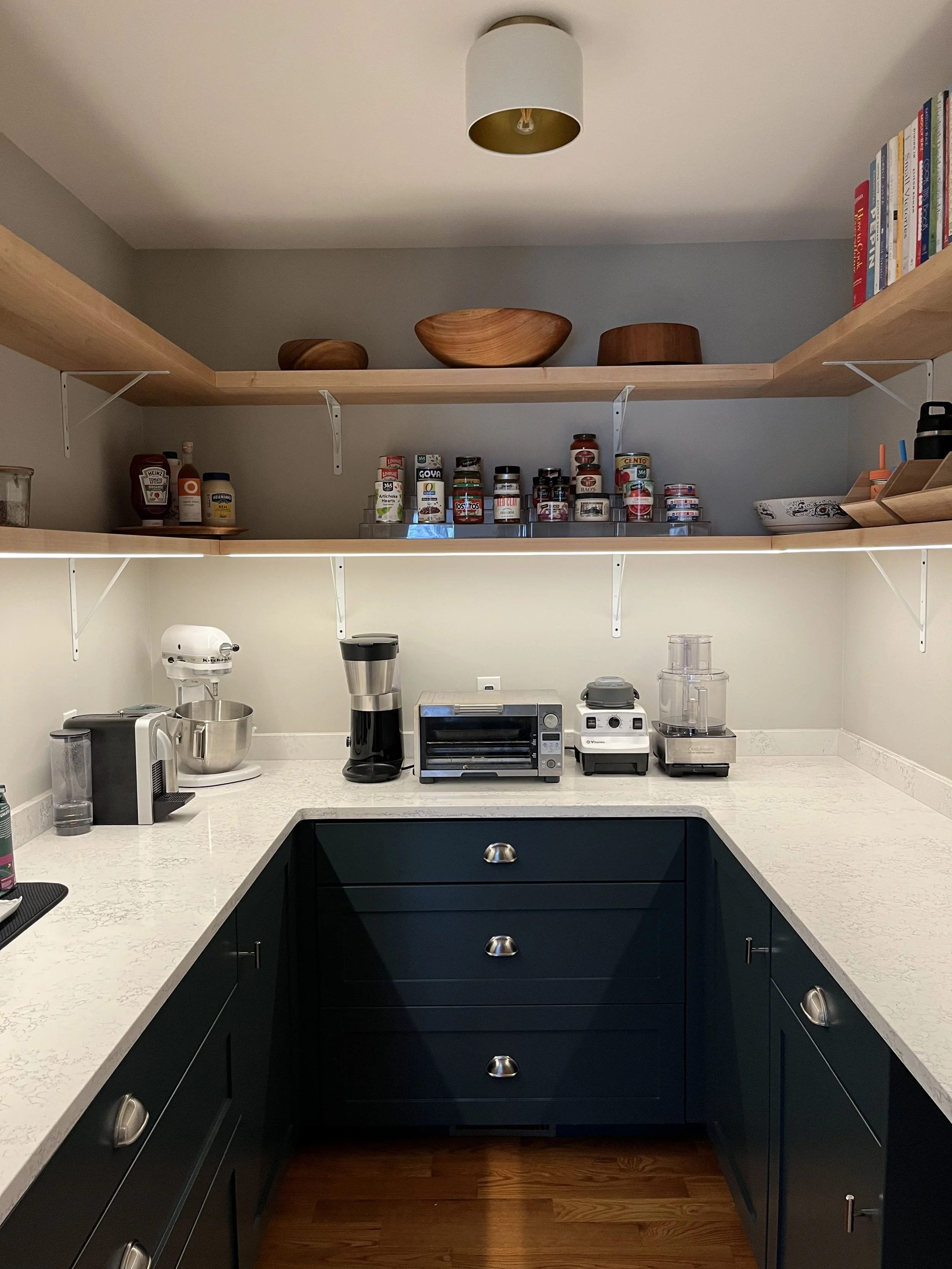
image used with client permission
When it comes to pantry organization, it’s easy to get caught up in aesthetics — matching containers, neatly labeled bins, and Pinterest-worthy shelves. But a truly successful pantry goes beyond looks. The most functional pantries are designed around how a household actually shops, cooks, and eats.
As a professional organizer, I always focus on systems that work long-term — minimizing food waste, avoiding duplicates, and making everyday life easier. Here’s how I approach pantry organization with function front and center.
Start With How Your Household Uses the Pantry
The first and most important step in organizing a pantry for maximum function is understanding how the space is used day to day.
Before containers or labels come into play, I look at who cooks, how often meals are prepared, whether snacks are grabbed on the go, and which items are used most frequently. A pantry should reflect real habits — not aspirational ones.
This matters more than aesthetics because a pantry that looks beautiful but doesn’t match daily routines won’t stay organized for long. Function-first decisions create systems that are intuitive, easy to maintain, and far more sustainable.
Group Items by Function, Not Just Category
Effective pantry grouping is about how items are used, not simply what they are.
I recommend creating broad zones based on frequency and purpose. Everyday cooking staples should be easy to see and reach, while occasional-use items can live higher up or toward the back. Snacks benefit from clear boundaries — bins or baskets make it easier for everyone in the household to grab what they need and put things back correctly.
Separating everyday items from bulk purchases and backstock is especially important. When backups are mixed in with daily-use items, it’s easy to forget what you already have — leading to overbuying and waste.
Make Awkward Pantries Work Smarter, Not Harder
Deep shelves, narrow closets, and oddly shaped pantries are common — and they can absolutely be functional with the right approach.
The goal is to bring items forward. Pull-out bins, turntables, and clear containers help you see and access everything easily. Awkward spaces work best when they are thoughtfully edited and not overfilled.
Edit Before You Organize
Before any major pantry overhaul, it’s essential to edit the contents first.
Removing expired items, duplicates, and foods your family no longer enjoys instantly creates breathing room. Unopened, unexpired food your family won’t use can be donated to a local food pantry, reducing waste and setting your system up for success.
The Secret to a Pantry That Stays Organized Long Term
The biggest factor in long-term success is simplicity paired with consistency.
Clear zones, intuitive storage, and small regular resets keep the pantry functional without stress. When a system aligns with daily routines, it naturally stays organized.
Ready to Transform Your Pantry?
If your pantry feels overwhelming, cluttered, or difficult to maintain, professional support can make all the difference.
At Living. Simplified., we create customized pantry systems designed around your home, your habits, and your lifestyle — so your space stays organized long after the project is complete. Reach out to schedule your free consultation and take the first step toward a more functional, stress-free pantry.
More Organizing Ideas
Need even more ideas on how to organize your home? Living. Simplified. is ready to help. Take a look at these blog posts or send us an email at lauren@livingsimplified.net and we can work together to reach your organizing and decluttering goals.